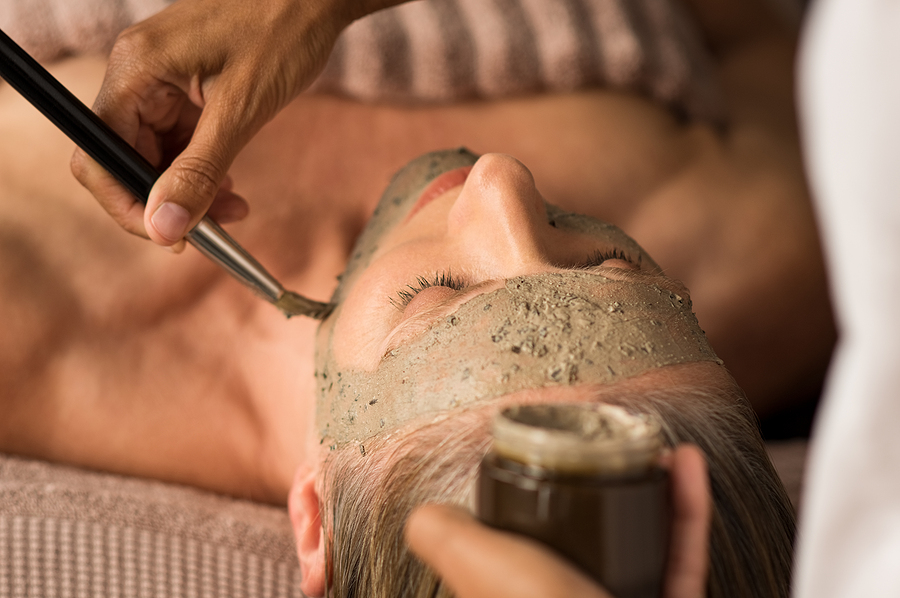
Clay masks are known for detoxifying, clarifying and balancing the skin, but winter brings its own skincare challenges. Cold outdoor air, indoor heating and reduced humidity can leave skin dehydrated, flaky or more sensitive than usual.
This often leads people to wonder: How frequently should clay masks be used during winter without over-drying the skin? Here’s a clear, skin-type-based guide.
Why does winter change how often you should use a clay mask?
In winter, the skin’s barrier function becomes weaker, meaning clay masks can work faster and draw out moisture more easily. Even clays that feel gentle in summer may feel more intense in colder months.
Adjusting your frequency ensures you get the detoxifying benefits without compromising hydration or comfort.
How often should dry or sensitive skin use clay masks?
If you have dry, reactive or rosacea-prone skin, stick to once every 10–14 days.
The best options are:
- Kaolin clay (the gentlest)
- Moroccan Rhassoul clay (softening and mineral-rich)
To boost hydration, mix your clay with aloe vera, honey or a hydrating toner instead of plain water. This keeps the cleansing benefits while supporting the skin barrier.
How often should oily or congested skin mask during colder months?
Oily skin can tolerate more frequent clay use, but even here, winter can make the skin more vulnerable. Aim for one or two times per week, depending on how your skin feels.
Great options include:
- Bentonite clay (especially for blackheads)
- Zeolite clay (for deep detox and pollution buildup)
If oiliness is high but dehydration is also creeping in, try alternating between bentonite one week and rhassoul the next to avoid over-stripping.
What’s the best cosmetic clay mask routine for winter?
Most people benefit from one clay mask per week in winter, while drier skin types may only need one every two weeks. Choose the clay that matches your skin type, enrich the mixture with hydrating ingredients, and always follow with a nourishing moisturiser.
Write a comment